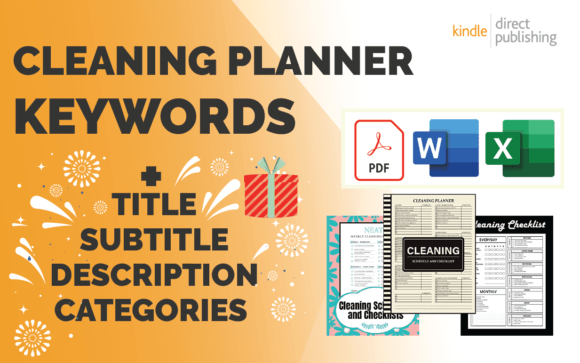
The Complete Guide to Cleaning Planner Keywords for Amazon KDP Success
If you have spent any time exploring Amazon KDP, you already know that certain niches consistently outperform others. Among the most profitable and durable categories is the cleaning planner niche. Cleaning planners have become a staple for busy households, professional organizers, and anyone trying to bring order to their daily routines. But what makes this niche so attractive, and how can you enter it with confidence? This article walks you through everything you need to know about cleaning planner keywords, the purpose of these books, their practical relevance, and how to create a listing that stands out in a competitive marketplace.
Whether you are a seasoned KDP publisher or just starting out, understanding the cleaning planner niche from the ground up will help you make informed decisions. We will explore why these planners sell so well, which keywords drive discoverability, and how to avoid common pitfalls like copyright or trademark infringement. By the end, you will have a clear roadmap for building a cleaning planner that resonates with readers and ranks well in search results.
Understanding the Cleaning Planner Niche on Amazon KDP
A cleaning planner is exactly what it sounds like: a structured notebook or journal that helps users organize their cleaning tasks, schedules, and routines. These planners often include weekly and monthly checklists, seasonal deep-cleaning guides, room-by-room inventories, and space for notes or reflections. While the concept seems simple, the demand is driven by a very real need. Modern life is busy, and many people struggle to keep their homes clean without a system in place.
Amazon KDP has made it possible for independent publishers to create and sell these planners with very little upfront cost. You do not need a warehouse, a large marketing budget, or even professional design skills to get started. What you do need is a solid understanding of what your target audience wants and how to present your book so it shows up in their searches.
Why Cleaning Planners Sell So Well
The cleaning planner niche is one of the best selling niches in Amazon KDP for several reasons. First, the audience is broad. Anyone who cleans a home, apartment, or office is a potential buyer. Second, the product is evergreen. People need cleaning planners year after year, regardless of economic conditions or seasonal trends. Third, the barriers to entry are low, but the potential for recurring sales is high because many customers buy multiple copies or share them with friends.
Another factor is the emotional appeal. A clean home is associated with reduced stress, better health, and a sense of accomplishment. A cleaning planner promises not just organization, but peace of mind. When you frame your product around these benefits, you connect with readers on a deeper level than a simple checklist ever could.
Key Cleaning Planner Categories and Subgenres
Within the cleaning planner niche, there are several subcategories that can help you target specific audiences. These include:
- Weekly cleaning planners – Focused on day-by-day tasks for busy families.
- Monthly cleaning checklists – Designed for deeper, rotating chores.
- Seasonal deep cleaning planners – Covering spring cleaning, fall prep, and holiday readiness.
- Home maintenance journals – Combining cleaning with repair and upkeep tasks.
- Family cleaning charts – Distributed among household members for accountability.
- Minimalist cleaning logs – For those who prefer a simple, uncluttered approach.
Each subgenre appeals to a slightly different reader, so you can choose one that matches your strengths and interests. The key is to pick a focus and make your interior and cover reflect that specific angle.
How to Choose the Right Cleaning Planner Keywords
Keywords are the backbone of your Amazon listing. Without the right cleaning planner keywords, even the most beautifully designed book can remain invisible. Amazon's search algorithm relies heavily on the keywords you include in your title, subtitle, description, and backend fields. The goal is to match the exact phrases your ideal customers type into the search bar.
High-Volume Keywords vs. Long-Tail Keywords
High-volume keywords like "cleaning planner" or "home cleaning checklist" are competitive. Many publishers target them, so ranking on the first page can be difficult for a new author. Long-tail keywords, on the other hand, are more specific and less competitive. Examples include "undated cleaning planner for busy moms," "daily cleaning checklist for small apartments," or "family cleaning schedule with weekly rotation." These phrases may have lower search volume, but they convert better because the reader knows exactly what they want.
A smart strategy is to use a combination of both. Place a high-volume keyword in your title for broad visibility, and then fill your subtitle and description with long-tail variations that capture intent. For backend keywords, you can add additional phrases that would not fit naturally in the visible text.
Analyzing Competitor Listings
Before you finalize your keywords, spend time studying the top sellers in the cleaning planner category. Look at their titles, subtitles, and bullet points. Note which phrases appear repeatedly. Pay attention to the "Customers also bought" section to see what complementary products exist. This research gives you insight into what is already working and where there might be gaps you can fill.
For example, if most top sellers focus on weekly checklists, you might find an opportunity by offering a planner that emphasizes seasonal deep cleaning or a minimalist approach. Identifying these gaps allows you to target a specific subset of readers who feel underserved by existing options.
Building a Cleaning Planner That Stands Out
Once you have your keywords and subgenre, it is time to create the actual product. While the interior layout and cover design are beyond the scope of this article, there are important considerations that affect both usability and legal safety.
Cover Design and Interior Layout
Your cover is the first thing a potential buyer sees. It should clearly communicate the purpose of the planner and evoke a sense of cleanliness and calm. Use colors like soft blues, greens, whites, or muted pastels. Avoid cluttered designs that contradict the very message of organization you are selling. The title should be easy to read even at thumbnail size, and the subtitle should reinforce the main benefit.
Inside the planner, keep the layout clean and consistent. Include space for dates, tasks, notes, and reflections. Many successful planners also include a brief introduction that explains how to use the book effectively. This small touch adds perceived value and helps the reader feel guided rather than overwhelmed.
Addressing Common Misunderstandings
One of the most important things to remember is to check copyright and trademark before publishing. The term "cleaning planner" itself is generic and safe to use, but avoid incorporating brand names like "FlyLady," "Marie Kondo," or "Method." Similarly, do not use trademarked phrases such as "KonMari Method" or "Clean Mama." Using these terms without permission can lead to your listing being taken down or legal action being taken against you.
Another common mistake is assuming that a cleaning planner must be dated. Many buyers prefer undated planners because they can start using them at any time of year without wasting pages. Offering both dated and undated versions can expand your potential audience.
Also, be aware that some customers associate cleaning planners with other types of home management tools, such as meal planners or budget trackers. If you want to create a hybrid product, make that clear in your title and description so you attract the right shoppers.
Practical Tips for Launching Your Cleaning Planner
Launching a cleaning planner on Amazon KDP involves more than just uploading your files. You need to optimize your listing for both search engines and human readers. Here are a few actionable steps:
- Write a compelling description that highlights the problem your planner solves. Use bullet points to list features like "room-by-room checklists," "weekly and monthly overviews," and "durable cover with lay-flat binding."
- Include high-quality images that show the interior spread. Customers want to see what they are buying, so provide clear photos of sample pages.
- Set a competitive price. Most cleaning planners fall between $6.99 and $12.99. Research similar products in your subgenre and price accordingly.
- Encourage reviews by including a polite note inside the book asking satisfied customers to leave feedback. Positive reviews build trust and improve your ranking.
- Use A+ Content if you have a professional account. Enhanced images and comparison charts help increase conversion rates.
Beyond the listing itself, consider promoting your planner through social media groups focused on home organization, cleaning routines, and productivity. Pinterest is particularly effective for this niche because users actively search for cleaning checklists and printable charts. Sharing a few sample pages or a short video can drive traffic directly to your Amazon page.
Conclusion
The cleaning planner niche remains one of the best selling niches in Amazon KDP for good reason. It addresses a universal need, has a broad and engaged audience, and offers plenty of room for creativity and differentiation. By understanding the purpose of these planners, choosing the right keywords, and building a product that genuinely helps readers, you can enter this market with confidence.
Remember to always check copyright and trademark before publishing, and take the time to research what your target customers are actually searching for. With the right approach, a cleaning planner can become a steady source of income that grows over time.
If you found this guide helpful, please leave a rating or share it with others who might benefit. Your feedback helps us improve the quality of our products and continue creating useful resources for the KDP community. Thank you for reading, and good luck with your cleaning planner journey.